311: How to Overcome Negative Self-Talk, Negative Beliefs and Addiction with Brian Pennie
LISTEN TO THE EPISODE
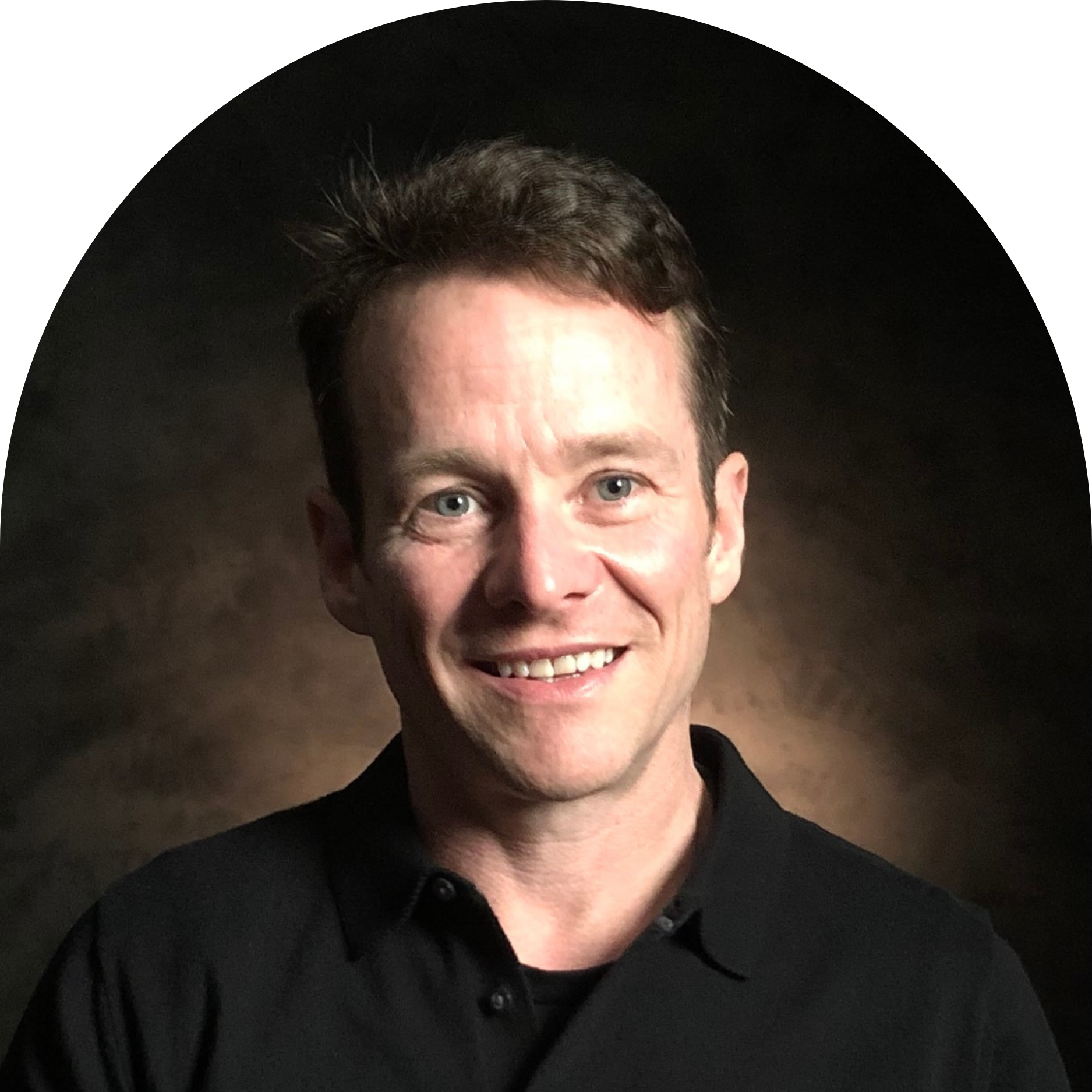
Episode Summary
The story we tell ourselves can shape the way we feel, the choices we make, and the life we believe is possible for us.
In this episode, I’m joined by Brian Pennie for a powerful conversation about trauma, addiction, anxiety, self-talk, neuroscience, and healing. When Brian was just a few weeks old, a medical condition nearly killed him. The surgery that saved his life was performed without anesthesia, which was common practice for young infants at the time because of the belief that babies could not feel pain.
Brian does not consciously remember that surgery, but his body remembered. From that early trauma, his nervous system learned that the world was painful and dangerous, and he developed anxiety at a very young age. As a teenager, he found what felt like relief in heroin, describing it as the anesthetic he never received as an infant. What followed was 15 years of addiction, until a moment of surrender in the hospital became the beginning of his healing.
After getting clean, Brian began studying meditation, neuroscience, breathwork, self-talk, and the power of our beliefs. He learned that by changing the way we speak to ourselves, challenging old beliefs, and working with the body and mind, we can begin to rewire the brain and heal what we have been trying to escape.
This conversation is vulnerable, inspiring, and deeply hopeful. Brian’s story reminds us that awareness is the catalyst for change and that no matter how stuck we feel, we can begin to change our internal world, heal our wounds, and create a new story for our lives.
Key Takeaways:
Early childhood trauma can live in the body, even when we do not consciously remember it
Brian’s medical trauma shaped his nervous system and contributed to anxiety from a young age
Addiction can become a way to numb or escape old pain
Surrender became the turning point in Brian’s healing journey
Awareness is the catalyst for change
Negative self-talk can keep us trapped in old patterns, pain, and limiting beliefs
Changing your beliefs can change your internal dialogue, emotions, actions, and life
Breathwork can help regulate fear and stress in the body
Meditation helps us observe our thoughts instead of being consumed by them
Inner child work can help heal old wounds and create deeper self-connection
Absolute thinking, such as “never” or “always,” can keep us stuck and limited
Healing addiction often requires working with the deeper trauma, anxiety, and self-talk underneath it
Negative Self-Talk
Negative self-talk is the internal dialogue that tells us who we are, what we can handle, what we deserve, and what is possible for us. When that inner voice is shaped by trauma, shame, anxiety, or old wounds, it can keep us trapped in painful beliefs and patterns.
Related Episodes
You may also enjoy:
470: Four Habits That Strengthen Your Self-Esteem
370: End Your Ruminating Thoughts With Parts Work
247: Decision Making Made Easy
RESOURCES
Brian Pennie Website:
https://www.brianpennie.com
Bonus Time by Brian Pennie:
https://www.amazon.com/Bonus-Time-surviving-discovering-everyday/dp/0717186350
MORE MICHELLE CHALFANT
Instagram:https://www.instagram.com/themichellechalfant
Facebook: https://www.facebook.com/TheMichelleChalfant
The Adult Chair® Facebook Group: https://www.facebook.com/groups/theadultchair